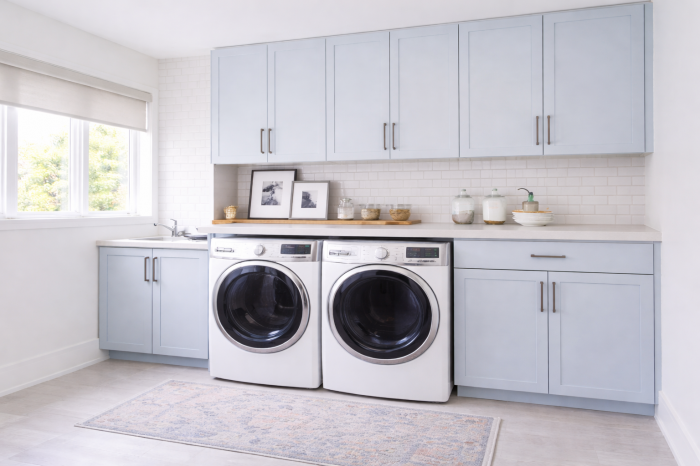
Buying a new washer and dryer is a big decision. These appliances are used multiple times a week and can impact your utility bills, laundry routine, and even the lifespan of your clothes. With so many models and features available, it helps to focus on three key factors: energy efficiency, size, and features. This guide breaks down what to consider so you can choose a washer and dryer that fit your home and lifestyle.
1. Energy Efficiency: Save Money Over Time
Energy-efficient washers and dryers use less water and electricity, which can significantly reduce monthly utility bills. Look for models with the ENERGY STAR® label, which meet strict efficiency standards set by the U.S. Environmental Protection Agency.
Front-load washers are typically the most energy-efficient, using less water per cycle than top-load models. High-efficiency dryers often include moisture sensors that stop the cycle once clothes are dry, preventing wasted energy and reducing wear on fabrics. While energy-efficient models may cost more upfront, they often pay for themselves over time through lower operating costs.
2. Size and Capacity: Match the Machine to Your Household
Washer and dryer size matters more than many buyers realize. Capacity is usually measured in cubic feet and determines how much laundry you can wash or dry at once.
• Small households or apartments may do well with compact or stackable units.
• Families often benefit from larger capacities that can handle bulky items like comforters and towels.
• Laundry room space should be measured carefully, including door clearance and ventilation needs.
Oversized machines can waste energy if they’re rarely filled, while undersized units may require more loads, increasing water and energy use. Choosing the right capacity ensures efficiency and convenience.
3. Washer Type: Top-Load vs. Front-Load
Top-load washers are often less expensive and familiar to many homeowners. Newer high-efficiency top-load models use less water than older versions and still offer large capacities.
Front-load washers are known for superior cleaning performance and lower water usage. They are gentler on clothing but typically cost more and require regular cleaning to prevent odors. Your choice often comes down to budget, laundry habits, and personal preference.
4. Dryer Options: Electric or Gas
Dryers are available in electric and gas models. Electric dryers are usually cheaper to purchase and easier to install, making them a common choice for many homes. Gas dryers cost more upfront but often dry clothes faster and may have lower long-term operating costs, depending on local utility rates.
Before choosing, confirm that your home has the proper hookups and ventilation for the dryer type you want.
5. Features That Add Convenience
Modern washers and dryers come with a wide range of features, but not all are necessary for every household. Popular options include:
• Steam cycles to reduce wrinkles and odors
• Quick-wash settings for lightly soiled clothes
• Sanitize cycles for bedding and towels
• Smart connectivity for cycle alerts and remote control
• Stackable designs to save space
Focus on features that support how you actually do laundry rather than paying for extras you may never use.
6. Noise Levels and Location
If your laundry room is near living spaces or bedrooms, noise level is an important consideration. Look for models designed with vibration reduction and quiet motors. This can make a noticeable difference, especially in multi-story homes or open floor plans.
7. Warranty and Long-Term Reliability
A washer and dryer are long-term investments, so reliability matters. Compare warranties, read reviews, and consider brands known for durability and service support. A slightly higher price can be worthwhile if it means fewer repairs and a longer lifespan.
The best washer and dryer for your home balance energy efficiency, proper sizing, and practical features that fit your lifestyle. Taking the time to evaluate how you use laundry appliances will help ensure you make a smart purchase that serves your household well for years to come.