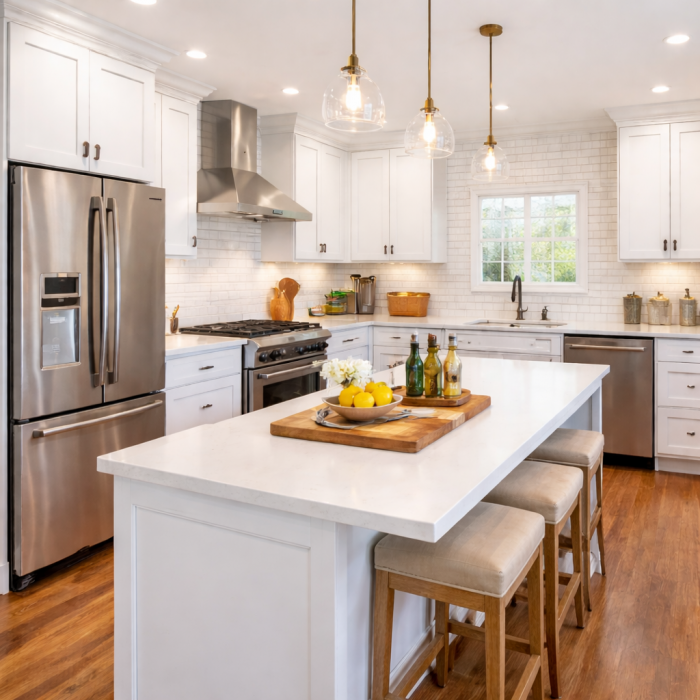
A kitchen remodel is one of the most exciting and expensive projects a homeowner can take on. When done right, it can dramatically improve daily life and boost home value. When done wrong, it can lead to frustration, unexpected costs, and regret. Below are ten of the most common kitchen remodel mistakes and practical ways to avoid them.
1. Skipping the Planning Phase
Jumping into demolition without a detailed plan often leads to delays and budget overruns. A successful kitchen remodel starts with clear goals, a realistic budget, and a well-thought-out layout. Spend time planning appliance placement, cabinet storage, lighting, and traffic flow before any work begins.
2. Underestimating the Budget
Many homeowners focus only on visible items like cabinets and countertops while forgetting about permits, labor, electrical work, plumbing, and contingencies. Always build in a buffer of 10-20% for unexpected issues. Knowing your full financial picture upfront helps prevent stressful decisions later.
3. Choosing Style Over Function
A kitchen can look stunning but still be frustrating to use. Poor cabinet access, awkward appliance placement, or limited counter space can quickly diminish enjoyment. Balance aesthetics with function by prioritizing storage, prep space, and workflow.
4. Ignoring the Kitchen Work Triangle
The relationship between the sink, stove, and refrigerator is critical to efficient cooking. If these elements are too far apart or crowded together, the kitchen can feel awkward. A well-designed work triangle helps reduce unnecessary steps and improves flow.
5. Not Adding Enough Storage
One of the biggest regrets homeowners have is not adding enough storage. Deep drawers, pantry cabinets, pull-out shelves, and vertical storage can dramatically improve organization. Think beyond standard cabinets and plan for how you actually use your kitchen.
6. Poor Lighting Choices
Relying on a single overhead light is a common mistake. Kitchens need layered lighting, including task lighting under cabinets, ambient lighting for the room, and accent lighting where appropriate. Good lighting improves safety, functionality, and overall atmosphere.
7. Choosing Trendy Materials That Don't Last
Trends come and go, but kitchens are long-term investments. Ultra-trendy finishes or materials that are hard to maintain may not age well. Choose durable, easy-to-clean surfaces and timeless design elements, then add personality through accessories or paint.
8. Forgetting About Electrical and Outlets
Not having enough outlets or placing them in inconvenient spots can be a daily annoyance. Plan for modern needs such as charging stations, small appliances, and smart devices. Address electrical upgrades early to avoid costly changes later.
9. Hiring the Wrong Contractor
Choosing a contractor based solely on price can lead to quality issues and communication problems. Look for licensed professionals with strong references and clear contracts. A good contractor will help identify potential issues before they become expensive mistakes.
10. Not Thinking About Resale Value
Even if you plan to stay in your home for years, resale value still matters. Extremely personalized designs or unconventional layouts can limit future appeal. Aim for a balance between personal style and broad market appeal to protect your investment.